Cambodia: More Than a Trip, a Life Lesson.

Angkor, Phnom Penh, Kampot... discover the perfect 5-Part itinerary for an authentic immersion in Cambodia. History, cuisine (Amok), and expert advice.

BLOG CAMBODIA

11/30/202513 min read

Immersion in Cambodia in 5 Parts

1.The Hook and the Start of the Journey: Cambodia, More Than a Destination.

2.The Majesty of History: Angkor Wat, How to Avoid the Crowds.

3.The Beating Heart and the Memory: Phnom Penh, Between Past and Urban Renaissance.

4. The Gentle Escape: Slow Travel in Kampot and Kep (Pepper, Beaches, and Rice Fields).

5.Culture, Cuisine, and Conclusion: The True Taste of Cambodia and Responsible Tourism.

Cambodia, More Than a Destination.

The air is warm, heavy, and smells of an intoxicating mix of incense and street food. Barely off the plane, a whirlwind of tuk-tuks and familiar Asian noises sweeps you up. Yet, in the midst of this joyful chaos, one detail immediately strikes you: the softness of the faces and the incredible resilience etched into every smile. That is where the magic of Cambodia lies. People arrive here, drawn by the promise of the splendor of the stones of Angkor, an architectural heritage so grand it seems to defy time. But the truth is elsewhere: you come for its majestic temples, you stay for its people. This country is a lesson in contrast. A recent history, dark and poignant, coexists with a kindness and hospitality that touches you deeply. For Asia On The Way, a simple trip was not enough. We needed a true Khmer Immersion. That is why we designed this Cambodia Itinerary in 5 Parts. Throughout these five sections, we will balance history and relaxation, the sacred and the everyday, to offer you a complete and authentic guide.ur. Absolutely! Here is the revised Part 1, with the titles bolded and underlined, and the use of numbering for paragraphs and sub-paragraphs, for a clear structure without code tags (as initially requested).

1. The First Impression: An Awakening of the Senses in Khmer Land

The arrival in Cambodia is a surge of sensations that pleasantly shakes up the traveler accustomed to Asia. From the first minutes spent outside the airport, the warm, humid air envelops you, carrying a myriad of scents: incense from small altars, frying from street stalls, and the earthy smell of nearby rice paddies. The omnipresent noise of tuk-tuk engines and horns creates a joyful cacophony, but it is the atmosphere that makes the experience unique. Unlike the commercial frenzy of some Southeast Asian capitals, you feel a softness here, a slowness, that immediately invites you to release pressure. This introduction sets the scene for a country that asks you to take your time, breathe, and observe. It is the prelude to an immersion where history meets resilience on a daily basis.

1.1. The Sound and Smell of Arrival

Your first contact with Cambodia is rarely visual; it is sensory. The sound of the tuk-tuk engine, which greets you right outside the airport, is not just a simple transportation noise; it is the official soundtrack of your trip. This mechanical cacophony, mingled with joyful horns (here, horns are used more for greeting than for scolding), is accompanied by an olfactory festival. The air, saturated with tropical humidity, carries intense scents: jasmine and incense burn in front of homes, mixing with the sweet aroma of ripe tropical fruits and the pungent smell of fermented fish (Prahok) used in local cuisine. These sounds and smells, often grouped around small neighborhood markets or makeshift coffee stands, instantly immerse you in local life. It is a welcoming chaos that tells you: you have arrived in Asia, but an Asia with a singular soul.

1.2. The Contrast with Neighboring Asia

If you are familiar with Southeast Asian capitals like Bangkok or Hanoi, Cambodia's energy will surprise you with its tone. Here, the effervescence is palpable, but it is not frantic. The atmosphere is less focused on performance and commerce at any cost. Where other megalopolises chase modernity relentlessly, Cambodia seems to have retained a dignity and a more composed and contemplative sense of time. Life scenes are more often those of families calmly sitting by the roadside, monks walking slowly under the sun, or merchants taking the time to chat. This relative serenity, inherited from a history that forced people to cherish every moment, gives the country a particular depth and invites a different form of travel.

1.3. The Invitation to "Slow Travel"

This slower pace is a true blessing for the philosophy of Asia On The Way. Cambodia is not a destination to be rushed through quickly just to check off boxes. It demands that you linger. This trip is an open invitation to Slow Travel: taking the time to get lost in the back streets of Battambang, sitting long by the riverbanks in Kampot, or simply watching life go by from a hammock. It is by adopting this gentle pace that you begin to see beyond the major tourist sites. Authenticity is found in these suspended moments, in the simplicity of encounters and contemplation. Letting go of the clock and embracing Khmer gentleness is the first step to a successful immersion.

2. Beyond the Stones: Cambodia is First and Foremost Its People

While one comes to Cambodia with images of majestic temples in mind, it is the encounter with the Khmer people that anchors the journey. The country carries the weight of a recent and tragic history, whose scars are visible and omnipresent. Yet, despite this past, the resilience and hospitality of the Cambodians are disconcerting. Their smile, often discreet and authentic, is not merely a tourist courtesy; it seems to be a philosophy of life, an act of faith in the future. These smiles are the true treasures of this country. Exchanging a few Khmer words (sou sdey, hello; arkun, thank you) opens doors and transforms a simple interaction into a moment of sincere exchange. For us, the very essence of this trip lies in this transmission and the incredible capacity of the Khmers to look forward.

2.1. The Strength of the Khmer Smile

The Khmer smile is not just a simple sign of welcome; it is a profound expression of a nation's resilience. It is everywhere: on the face of the tuk-tuk driver, the fruit seller at the market, and the children playing in the dust. This simple gesture is all the more powerful because it masks the complexity of a recent history marked by the tragedy of the Khmer Rouge. This smile is not naive; it is conscious, carrying the echo of survival and a will for peace. As a traveler, it immediately invites empathy. It reminds us that behind the beauty of the temples and the challenges of development lies a people who have suffered greatly but have chosen kindness. This smile is one of the greatest lessons Cambodia can offer: a lesson in optimism in the face of adversity.

2.2. A Recent and Palpable History

It is impossible to truly immerse oneself in Cambodia without addressing the dark chapter of its history. The period of the Khmer Rouge regime (1975-1979) left deep scars that, unlike other conflicts, are very recent and palpable. This history shapes the present: it is found in the very young average age of the population, in the accounts of survivors, and in sites of remembrance like the Tuol Sleng (S-21) prison and the Killing Fields (Choeung Ek) near Phnom Penh. A trip to Cambodia demands a respectful duty of remembrance. Visiting these sites is not an easy experience, but it is essential to understand the country before you, to appreciate the strength of the smile mentioned above, and to gauge the path traveled since the reconstruction. This obliges us to be conscious and ethical travelers.

2.3. The Importance of Language

Contrary to popular belief, English is not always sufficient for communication outside the strictly tourist areas of Siem Reap and Phnom Penh. For a true immersion, making the effort to learn a few Khmer words is a key that opens hearts. Simple expressions like “sou sdey” (hello) or “arkun” (thank you) are not just polite; they are a sign of respect and interest in the local culture. This minimal effort is greatly appreciated and can transform a transactional interaction into a warm and unforgettable moment of exchange. Using a simple phrase in the local language can instantly break down barriers and give you access to even more authentic smiles and valuable local tips.

3. A Two-Sided Journey: Between Ancient Glory and Vibrant Present

Cambodia offers a fascinating dichotomy that few countries can match. On one side, there is the frozen splendor of the Khmer Empire, illustrated by the stones of Angkor, a testament to a civilization that was once one of the most powerful in the world. These ruins remind us of past grandeur and fuel our explorer's imagination. On the other side, there is the bustling vitality of cities like Phnom Penh, which are rebuilding at an astonishing speed, blending vestiges of French colonial architecture with emerging Asian modernity. It is this permanent bridge between a distant imperial past and a dynamic, often reconstructing, present that makes the exploration so rich. It is not enough to see the temples; you must also feel the energy of the bustling markets where life resumes its course with undeniable force.

3.1. The Legacy of the Khmer Empire

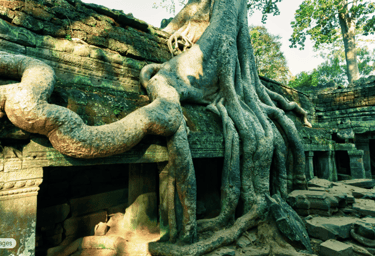
One of the primary motivations for traveling to Cambodia is the exploration of the Legacy of the Khmer Empire. Between the 9th and 15th centuries, this civilization dominated a large part of Southeast Asia, erecting complex cities and grandiose temples, of which Angkor Wat is the most famous emblem. However, it is not only the scale of the constructions that impresses, but the historical and religious significance they represent. Understanding the richness of this civilization, its revolutionary hydraulic engineering (allowing the construction of gigantic barays for irrigation), and the finesse of its art, is essential. By deciphering the bas-reliefs that tell Hindu and Buddhist myths, you are not just visiting a ruin; you are becoming aware of the power and cultural sophistication that preceded the darker periods, enriching the appreciation of the sites.

3.2. The Heart of Phnom Penh

In direct contrast to the silent, frozen temples of Angkor, Phnom Penh beats to the frantic rhythm of modernity and reconstruction. The capital is a true melting pot of history, culture, and economy. It is here that you most feel the energy of Cambodia looking toward the future. Along the Tonlé Sap, cranes and new skyscrapers are rising, symbolizing a rapidly expanding economy. Yet, traditional life is never far: lively markets like Phsar Thmey (the Central Market) overflow with local products, and street life is omnipresent. This constant blend between symbols of power (like the magnificent Royal Palace) and scenes of daily life makes exploring Phnom Penh vibrant and indispensable for anyone who wants to understand the direction contemporary Cambodia is taking.

3.3. French Colonial Architecture

The traces of the former French colonization add an extra layer of complexity and melancholic beauty to the Cambodian urban landscape. In Phnom Penh, but also in provincial towns like Kampot or Battambang, you can find magnificent examples of colonial architecture: dilapidated villas, elegant police stations, and old train stations. These buildings, often weathered by time and humidity, tell another story, that of the protectorate period. They offer a striking contrast to the traditional pagodas and modern structures. Exploring these neighborhoods helps better grasp the multiple cultural influences that shaped the country, offering a particular attraction for history and photography enthusiasts.

4. A Structured Roadmap: Our Journey in 5 Parts

To grasp all the nuances of this country, we deemed it essential to articulate our exploration around five major themes. The goal is not to skim the surface, but to ensure a complete and digestible immersion. We will travel from north to south, from the sacred to the coast, to balance cultural discoveries and moments of relaxation. This guide is a promise of authentic travel, far from tourist traps, designed specifically for lovers of slow travel. Each part has been thoughtfully created to answer a key question every traveler asks when preparing their trip to Cambodia, ensuring that the reading is useful and inspiring for planning your own adventures. Prepare to dive into the vibrant heart of Southeast Asia.

4.1. The Balance between Culture and Relaxation

Our five-part itinerary has been meticulously designed to avoid tourist burnout and guarantee a trip rich in discoveries. A successful trip to Cambodia relies on a subtle dosage: you must alternate visits to demanding historical sites—such as an entire day traversing the temples of Angkor, which requires great concentration and a lot of walking in the heat—with periods of rest. That is why we invite you, after the intensity of the historical cities, to retreat to resting places like the charming town of Kampot. There, the atmosphere is gentler, focused on nature, the riverside, and tranquility. This alternation allows you to assimilate the discoveries made and recharge your batteries before plunging into the next stage of exploration.

4.2. The "Asia On The Way" Approach

Faithful to the editorial line of Asia On The Way, our guide always prioritizes authenticity and ethical tourism. Traveling immersively means choosing to stay in small guesthouses run by local families rather than large hotel chains. It means favoring neighborhood markets over standardized souvenir shops. More importantly, it means seeking genuine encounters, by engaging in conversation with the Khmers and understanding their daily lives. We will give you concrete advice to ensure that your money directly benefits the communities, thereby contributing positively to local development and making your trip much more meaningful.

4.3. A Practical and Digestible Guide

The five-part structure is not a random choice. It was designed to be a practical and digestible guide given the amount of information that a destination like Cambodia represents. Instead of overwhelming you with a continuous long narrative, we have segmented the content into clear thematic blocks: from history (Angkor) to culture (cuisine), passing through logistics (Phnom Penh) and rest (Kampot). This organization by part allows for fragmented reading: you can easily return to the section that interests you most—whether it's planning your transportation or choosing your evening meal—thereby guaranteeing maximum utility for this immersion guide.

5. The Promise of the Trip: What You Will Discover in the Article

With this first contact established, it is time to announce the continuation of our journey. Each section of this article is a step toward a deep understanding of Cambodia, offering you tips that only informed travelers know. We will start with the global jewel, but by giving you the keys to experience it differently, far from the tourist hordes. Then, we will address the complex history of the capital. Finally, we will take you to the quiet provinces, where time seems to have stopped, finishing with the best of Khmer gastronomy.

5.1. Becoming an Informed Traveler

This guide is intended to transform the tourist into a true informed explorer. Being informed means knowing the best times to visit the temples to avoid peak crowds, understanding how to navigate the local transport system without being ripped off, and above all, knowing where to find the true flavor of Cambodia, far from Westernized menus. We will share precise logistical advice on visas, the local currency (the Riel), and temple passes. The goal is to give you the necessary confidence to venture off the classic routes, so that your trip is autonomous, fluid, and focused on authentic discovery.

5.2. The Myth and the Reality

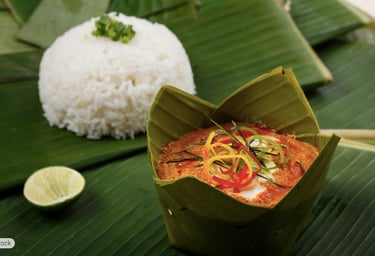
In exploring Cambodia, we will address both the mythical places everyone expects (like the South Gate of Angkor Thom), but also the reality of daily Khmer life, which is just as fascinating. The myth lies in the tales of the Gods carved in stone; the reality is found in the small family restaurant that serves the best Amok in the neighborhood. It is crucial to give equal importance to these two facets. We will show you how large Buddhist pagodas stand alongside small makeshift businesses, and how children play amidst millennia-old ruins. It is in this coexistence that the true cultural richness of the country resides, a constant balance between past splendor and present simplicity.

5.3. Prepare to Dive In: The Transition

After this introduction, which set the sensory, human, and structural scene for our adventure, the time has come to take action. We are now equipped with the right mindset and the roadmap. The first major step in any discovery of Cambodia is inevitably the Siem Reap area and its timeless treasures. Prepare your walking shoes and your camera: we are ready for the Khmer Immersion. Heading to the temples of Angkor, with a precise battle plan to experience them without being overwhelmed by the crowds!

6. The Exploration Potential: Preparing for the Architectural and Spiritual Immersion

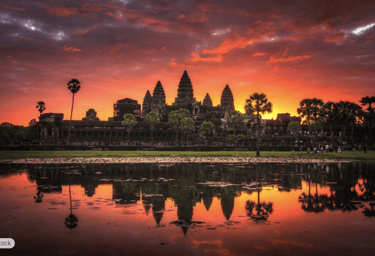
Before starting our circuit in Cambodia, it is crucial to fully grasp the extent of the playground available to us. Beyond the famous Angkor Wat (or Temple of Angkor), which is the best-preserved sanctuary dedicated to Vishnu and the jewel of the UNESCO World Heritage site, our journey will take you much further. We will explore the entire Khmer archaeological site, understanding the importance of Buddhism and pagodas for Cambodian culture. While the past resonates with ancient Indochina and its Thai and Viet influences, the Cambodian experience is unique. It includes observing the spectacular sunrise over the temple's iconic silhouette, but also discovering life on stilts in the floating villages of Tonlé Sap, where even the rainy season doesn't slow life down. From the Capital of Cambodia to the provinces, from visiting the temples to the magnificent detailed sculptures, this article is your guide to truly travel in Cambodia.

Conclusion of Part 1

At the end of this introduction, we hope to have conveyed the very essence of the Cambodian experience. Cambodia is not a simple backdrop for beautiful photos; it is a country that speaks to the heart, thanks to the resilience and generosity of its people. We have seen that this journey relies on a delicate balance: respect for the tragic past, fascination with ancient glory, and the adoption of the gentle rhythm of slow travel.

The 5-Part itinerary we have outlined is your compass for a complete immersion, promising to turn you into an informed traveler. It will guide you away from the beaten paths of tourist hustle to help you discover the flavors, the smiles, and the hidden stories of the Khmer Kingdom.

The first jewel on this roadmap is the reason why most of us take this trip. It is time to put our philosophy of informed exploration into practice.

Prepare to dive in: See you in Part 2, where we reveal all the secrets to experiencing the majesty of Angkor Wat and its surrounding temples while avoiding the tourist hordes.

📍 ASIA ON THE WAY – Practical Information Guide on Asia 🌐 Website: https://asiaontheway.com 📧 E-mail: contact@asiaontheway.com 💬 Personalized advice, tailor-made itineraries, and local tips for traveling differently in Asia all year round, even off-season.

FAQ: Preparing for Your Trip to Cambodia

Q1. What is the best time to Go to Cambodia and how can you Visit the Temples of Angkor?

The dry season (November to April) is the most pleasant time to visit the temples of Angkor and enjoy the sunset over the sites. However, to get off the beaten path, the end of the rainy season offers lush vegetation and fewer crowds. For visits, a scooter or tuk-tuk are the best ways to explore the vast areas of these Khmer temples.

Q2. Is Cambodia only a temple destination? What are the Must-Sees off the beaten path?

Absolutely not. Beyond the historical wonders like the ancient capital and major temples like those in the Khan area, Cambodia offers great diversity. You can explore the coast of the Gulf of Thailand with islands like Koh Rong, or take a cruise to see the villages on stilts. This is the opportunity to take a custom trip that combines history and relaxation, away from the crowds.

Q3. How can one understand the complex history, from the Genocide to Religious Influences?

To understand the history, one must integrate the period of the genocide (Khmer Rouge) and the religious past. The Khmer temples are a mix of Hindu architecture (dedicated to gods like Brahma, Shiva, and Vishnu) dating from the Empire's apogee, and more recent Buddhist pagodas. Visiting the National Museum in Phnom Penh and encountering the enigmatic smile of the Buddha statues helps grasp this complexity.

Q4. What is the vibe of major cities like Sihanoukville and how do I find good accommodation?

Sihanoukville is undergoing rapid change. For more authentic accommodation, favor small guesthouses rather than large resort complexes. The cities also have traces of the past like the stone elephant statues. The Cambodian locals will welcome you warmly, reflecting the country's famous enigmatic smile.

Q5. Can I combine a Cambodia trip with Laos and Vietnam?

Yes, the Laos Cambodia or the Vietnam Cambodia routes are very popular tours in Indochina. Agencies offer trips that allow you to explore the Buddhist culture and the varied landscapes of all three countries. Be sure to budget for such a custom trip and check on the required formalities..

Part 1: The Hook and the Start of the Journey

Part 1: The Hook and the Start of the Journey

  1. The Hook and the Start of the Journey: Cambodia, Much More Than a Destination.

  2. The Majesty of History: Angkor Wat, How to Avoid the Crowds.

  3. The Beating Heart and the Memory: Phnom Penh, Between Past and Urban Renaissance.

  4. The Gentle Escape: Slow Travel in Kampot and Kep (Pepper, Beaches, and Rice Fields).

  5. Culture, Cuisine, and Conclusion: The True Taste of Cambodia and Responsible Tourism

  1. The Hook and the Start of the Journey: Cambodia, Much More Than a Destination.

  2. The Majesty of History: Angkor Wat, How to Avoid the Crowds.

  3. The Beating Heart and the Memory: Phnom Penh, Between Past and Urban Renaissance.

  4. The Gentle Escape: Slow Travel in Kampot and Kep (Pepper, Beaches, and Rice Fields).

  5. Culture, Cuisine, and Conclusion: The True Taste of Cambodia and Responsible Tourism