
Cambodian flag with monks and people gathered outside.

Cambodia Travel Guide: Practical Tips and Essential Information

Everything you need to know about traveling in Asia, especially Cambodia visas, networks, and practical tips.
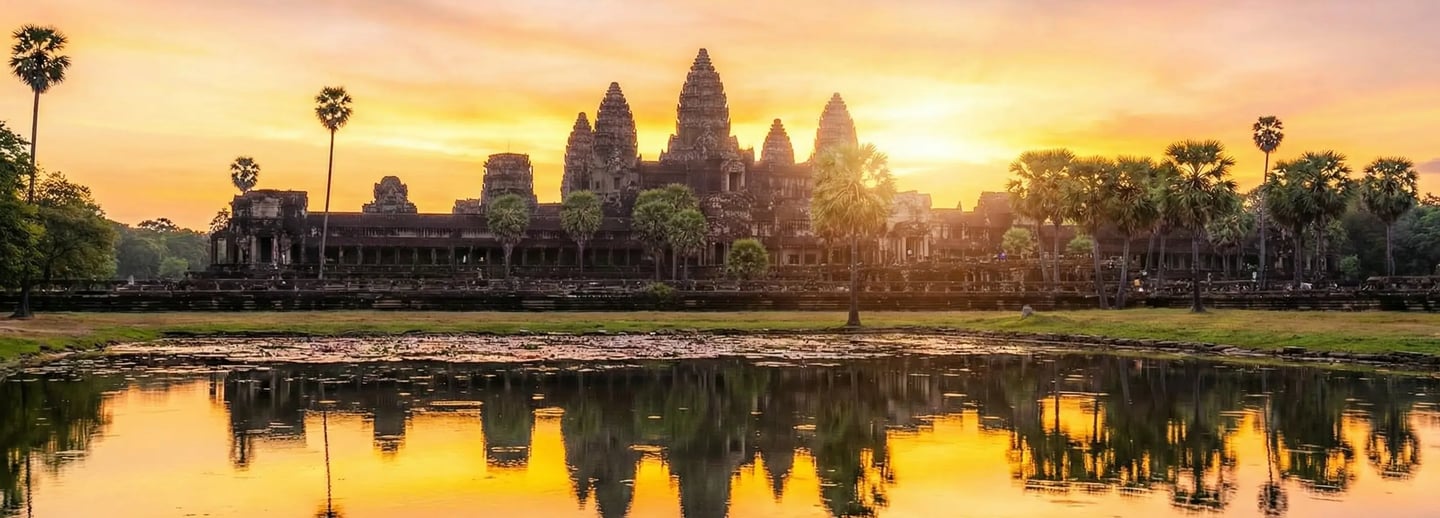
a large stone building with many towers on top of it

🇰🇭 Cambodia

Capital: Phnom Penh
Area: 181,035 km²
Population (2025): Approximately 17 million
Political system: Constitutional monarchy with a parliament
Official language: Khmer
Currency: Cambodian Riel (KHR) – US dollar (USD) widely used
Time zone: UTC+7
Tourists in 2024: Around 5 million (goal of 10 million by 2028)

Cambodia is a Southeast Asian country where ancient history blends with modern vitality. Once the heart of the Khmer Empire, it is home to one of the world’s heritage jewels: Angkor Wat, an iconic temple that fuses spirituality, architecture, and legend. Phnom Penh, its evolving capital, stretches along the Mekong River, where French colonial heritage meets modern skyscrapers and bustling local markets filled with color.

The Cambodian people, deeply marked by their recent past — especially the dark years under the Khmer Rouge — display remarkable resilience. Cambodia’s youth, educated, connected, and ambitious, embodies a new era focused on peace, growth, and openness to the world.

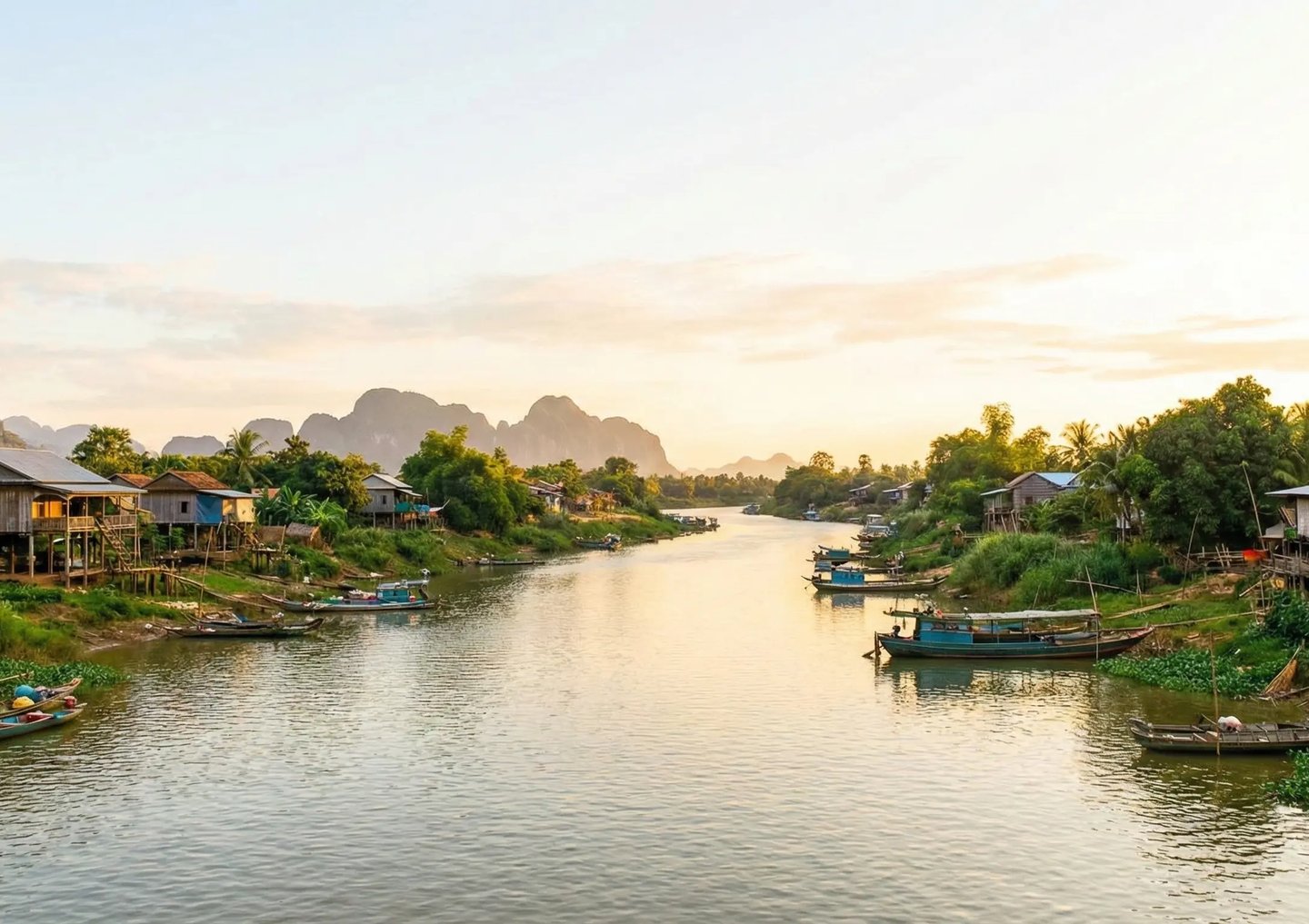
Cambodia is also a land of rice fields, floating villages, wild jungles, and ancestral traditions. Handicrafts, apsara dance, Buddhist ceremonies, and the bold flavors of Khmer cuisine (amok, lok lak, prahok) shape a rich and preserved cultural identity.

As 2030 approaches, Cambodia aims for balanced development: responsible tourism, rural modernization, strengthened education, and enhanced preservation of its natural heritage — from the plains of the Tonlé Sap to the Cardamom Mountains.

silhouette of trees near body of water during sunset

All our Cambodia blog links are here

Angkor Wat, Cambodia

Discover our 5-part immersion in Cambodia

  1. The Hook and the Start of the Journey: Cambodia, Much More Than a Destination.

  2. The Majesty of History: Angkor Wat, How to Avoid the Crowds.

  3. The Beating Heart and the Memory: Phnom Penh, Between Past and Urban Renaissance.

  4. The Gentle Escape: Slow Travel in Kampot and Kep (Pepper, Beaches, and Rice Fields).

  5. Culture, Cuisine, and Conclusion: The True Taste of Cambodia and Responsible Tourism.

    Exporter vers Sheets